Tips
Common Questions About Nutrition and Healthy Eating Habits
What is balanced nutrition?
Balanced nutrition means consuming the right proportions of carbohydrates, proteins, fats, vitamins, and minerals to support your body's functions. It's not about restricting foods but rather making informed choices that nourish your body and maintain stable energy levels throughout the day. A well-balanced diet helps improve digestion, strengthens immunity, and supports long-term health goals.
Why is balanced eating important?
Proper nutrition directly impacts your energy, mental clarity, immune function, and overall wellbeing. When you eat balanced meals, your body receives consistent fuel, reducing cravings and mood swings. Over time, healthy eating habits prevent chronic diseases, improve sleep quality, and enhance productivity. Starting with small, sustainable changes creates lasting lifestyle improvements rather than temporary restrictive diets.
What are the main food groups for a balanced diet?
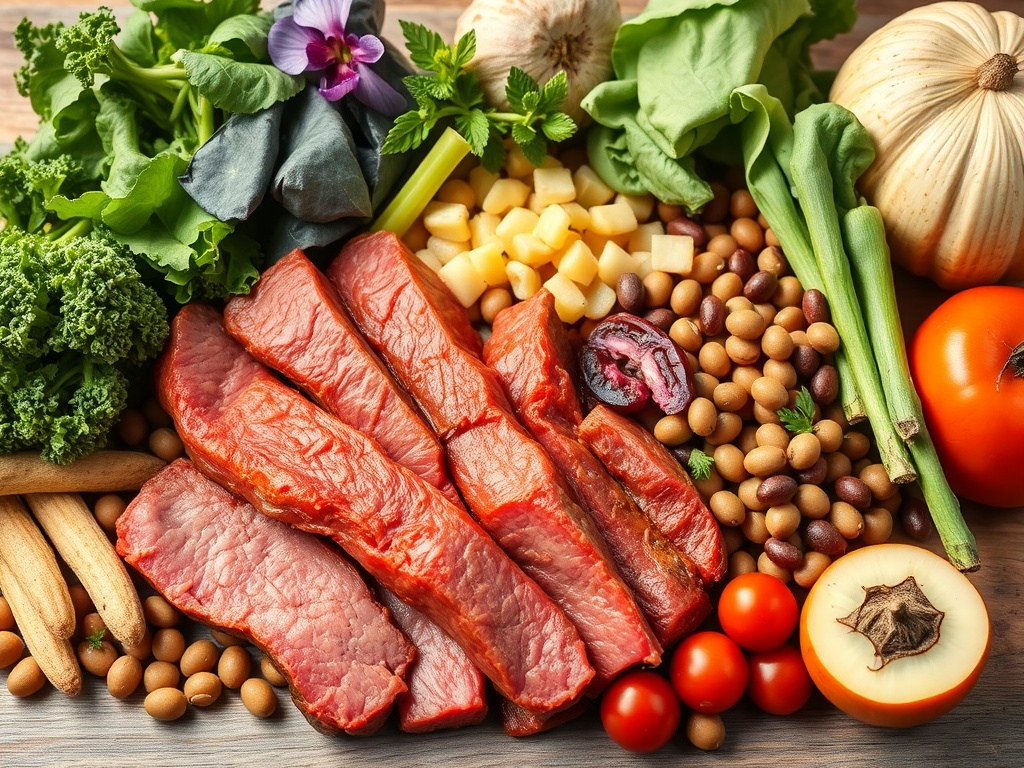
A balanced diet includes vegetables, fruits, whole grains, lean proteins, and healthy fats. Vegetables and fruits provide essential vitamins and fiber. Whole grains offer sustained energy and digestive support. Lean proteins build and repair tissues. Healthy fats from nuts, seeds, and fish support brain and heart health. Understanding these groups helps you build meals that satisfy hunger while meeting nutritional needs.
How can I plan balanced meals at home?
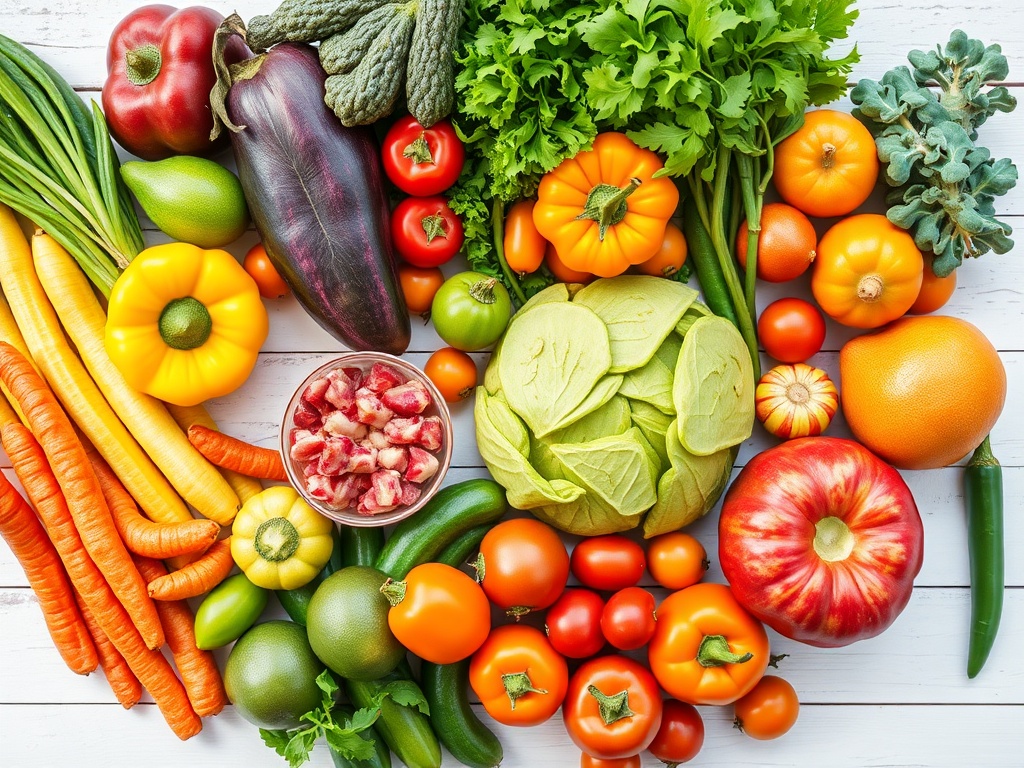
Start by filling half your plate with vegetables and fruits, one quarter with lean protein, and one quarter with whole grains. Prepare ingredients ahead of time to save effort during busy weeks. Keep your kitchen stocked with nutritious basics like beans, frozen vegetables, herbs, and oils. Simple meal planning reduces food waste, saves money, and ensures you consistently eat balanced combinations without overthinking.
What are healthy snacking habits to adopt?
Choose snacks combining protein and fiber to maintain stable blood sugar and lasting fullness. Examples include Greek yogurt with berries, nuts with fruit, or whole grain crackers with hummus. Avoid processed snacks high in sugar and unhealthy fats that spike energy then cause crashes. Preparing snacks in advance prevents reaching for convenience foods when hungry. Small, intentional snacks complement meals and prevent overeating.
How do I read nutrition labels correctly?
Focus on serving size, calories, sodium, added sugars, and fiber content first. Compare products to make better choices. Check ingredient lists to avoid artificial additives and understand what you're consuming. Use labels to balance macronutrients throughout the day rather than obsessing over single meals. Knowledge of label reading empowers you to make quick, informed decisions at the grocery store and support your health goals.
More practical guidance for sustainable nutrition choices

How much water should I drink daily?
Most people need eight to ten glasses of water daily, though individual needs vary based on activity level, climate, and metabolism. Proper hydration improves digestion, skin health, and cognitive function. Start your day with water and drink consistently throughout meals and between activities. If plain water feels boring, add lemon, cucumber, or herbal tea. Listening to your thirst cues and urine color guides optimal hydration.
Why are portion sizes so important?
Portion control helps you enjoy diverse foods while maintaining healthy weight and energy balance. Many modern servings exceed nutritional needs, leading to excess calorie consumption without satisfaction. Using smaller plates, measuring servings initially, and eating mindfully helps recalibrate portion awareness. Proper portions mean you can include favorite foods while achieving health goals, making nutrition sustainable rather than restrictive.
What role do healthy fats play in nutrition?
Healthy fats from avocados, nuts, seeds, and fish support brain development, hormone production, and nutrient absorption. They provide lasting fullness and improve food satisfaction. Omega-3 and omega-6 fatty acids reduce inflammation and support heart health. Including small amounts of healthy fats in meals balances blood sugar and prevents nutrient deficiencies. Quality matters more than quantity when choosing fats for your diet.
How can I reduce added sugar in my diet?
Limit sugary drinks, processed snacks, and desserts while increasing whole fruits and natural sweetness from foods like sweet potatoes. Read labels to identify hidden sugars in yogurts, sauces, and cereals. Replace sugary habits with herbal tea, sparkling water, or fruit smoothies. Gradual reduction helps your taste preferences adjust naturally. Managing sugar intake stabilizes energy, improves dental health, and reduces disease risk significantly.
What are seasonal eating benefits for health?
Eating seasonal produce provides peak nutrition, flavor, and affordability while supporting local farmers. Seasonal foods naturally align with your body's nutritional needs throughout the year. Spring brings detoxifying greens, summer offers energy-boosting berries, autumn provides immune-supporting squashes, and winter includes warming root vegetables. Building meals around seasonal ingredients makes nutrition easier, tastier, and more connected to natural cycles.
How do I maintain balance while dining out?
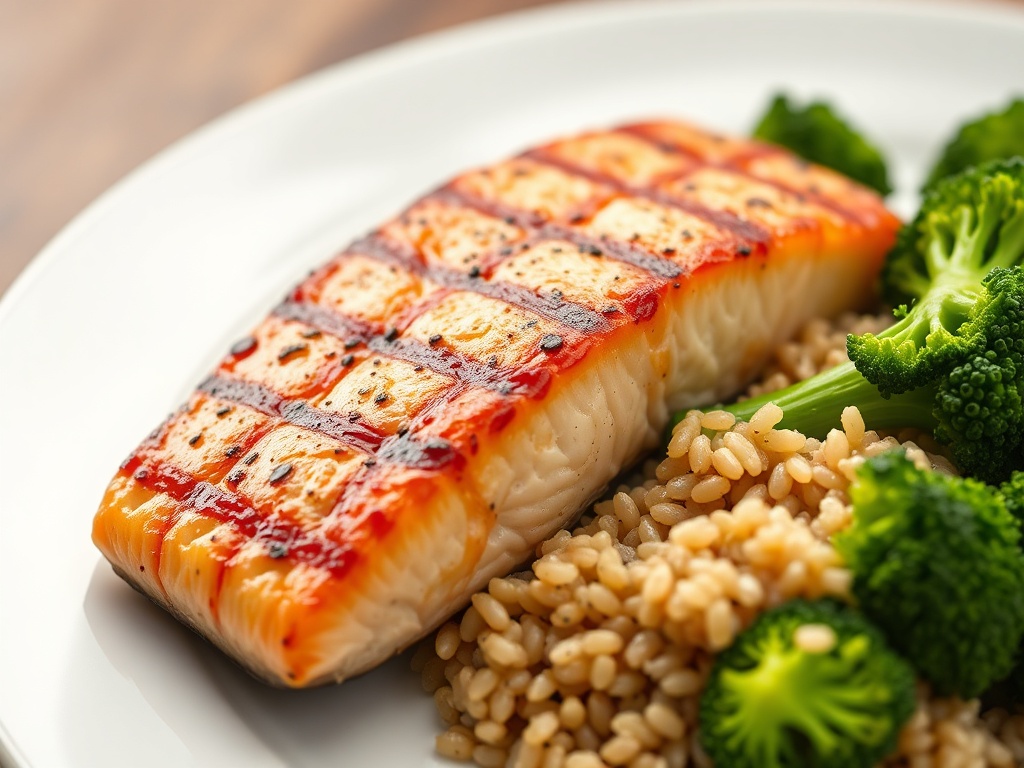
Review menus online before visiting to make thoughtful choices. Choose grilled proteins, request dressings separately, and add extra vegetables to meals. Enjoy restaurant meals mindfully without guilt or restriction. Share larger portions with friends or save half for later. Understanding that occasional dining out complements rather than derails your habits removes pressure. Balance comes from overall patterns, not perfection in single meals.


Receive your personalized nutrition guide
Learn simple strategies for healthier eating habits